



Have you recently had spine surgery?
Recovery can feel overwhelming. But with the right approach, it gets easier. Knowing your spine operation recovery time is important. It helps you set realistic expectations. It also helps you plan your recovery better.
Every patient heals differently. The type of surgery matters. Your age and overall health matter too. But one thing is always true. Proper care after spine surgery makes all the difference.
In this blog, we will walk you through everything.
- The main types of spine surgeries.
- How long does each one take to recover from?
- And practical tips to heal faster.
Our Spine Surgery Department at Aditya Hospital has helped hundreds of patients recover successfully. Our specialists are here to guide you every step of the way.
Types of Spine Surgeries and Procedures
Spine surgery is not a one-size-fits-all procedure. There are several types. Each one treats a different condition. Knowing the type of surgery helps you better understand your spine operation recovery time.
Here are the most common spine surgeries
Discectomy
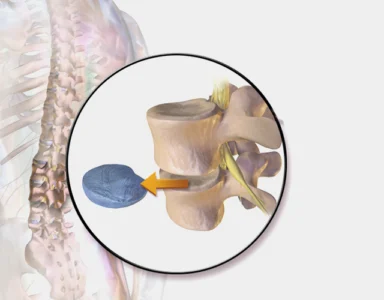
A discectomy removes a damaged or herniated disc. This disc puts pressure on the surrounding nerves. It causes pain, numbness, and discomfort. Removing the damaged part brings significant relief to the patient.
Microdiscectomy
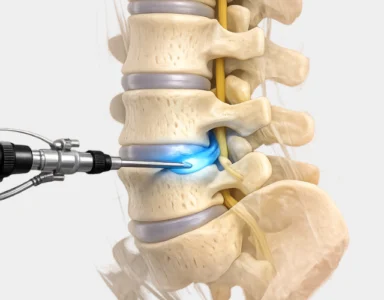
Microdiscectomy is a minimally invasive version of discectomy. A smaller incision is made. Less muscle and tissue are disturbed. This means less pain and a faster recovery. It is one of the most preferred procedures after spine surgery consultations today.
Spinal Fusion
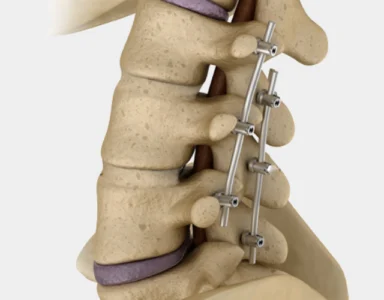
Spinal fusion joins two or more vertebrae together permanently. It stops painful movement between them. Bone grafts and metal supports may be used. It is commonly recommended for spinal instability and degenerative disc disease.
Laminectomy
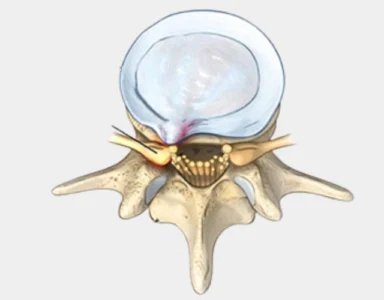
A laminectomy removes a part of the vertebra to create more space in the spinal canal. This relieves pressure on the spinal cord and nerves. It is commonly done for patients suffering from spinal stenosis.
Scoliosis Surgery
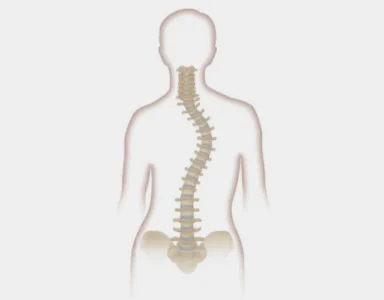
Scoliosis is an abnormal curve of the spine. When the curve becomes severe, surgery is recommended. Metal rods and screws are used to straighten and stabilize the spine. It is a complex procedure with a longer recovery time.
Artificial Disc Replacement
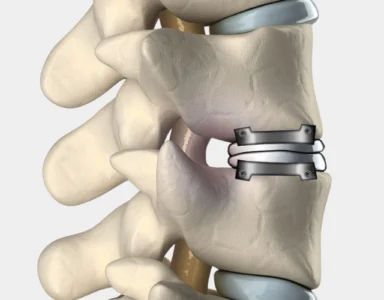
A damaged disc is replaced with an artificial one. It mimics the natural movement of a healthy disc. It preserves the spine’s flexibility and is a modern alternative to spinal fusion.
Recovery Time for Each Surgery

One of the most common questions patients ask is how long will recovery take? The answer depends on the type of surgery. It also depends on the patient's age, health, and lifestyle. Understanding your spine operation recovery time helps you plan better and stay prepared.
Here is a general breakdown:
- Discectomy: Most patients recover in 4 to 6 weeks. Light activities can resume within 2 weeks. Full recovery may take up to 3 months.
- Microdiscectomy: Recovery is faster compared to traditional discectomy. Most patients return to light activities within 1 to 2 weeks. Full recovery takes around 4 to 6 weeks.
- Spinal Fusion: This procedure has a longer recovery time. Initial recovery takes 4 to 6 weeks. But complete healing can take 6 to 12 months. The bones need time to fuse properly.
- Laminectomy: Most patients recover within 4 to 6 weeks. Returning to daily activities may take 3 to 4 months. Physical therapy plays a big role in recovery after spine surgery like laminectomy.
- Scoliosis Surgery: This is a complex procedure. Recovery takes longer than most other surgeries. Patients typically need 4 to 6 weeks of initial rest. Full recovery can take 6 to 12 months. A dedicated Spine Care Department plays a crucial role in monitoring patients through this long recovery journey.
- Artificial Disc Replacement: Recovery is relatively faster compared to spinal fusion. Most patients resume light activities within 4 to 6 weeks. Full recovery takes around 3 to 6 months.
Remember, these are general timelines. Every patient heals at their own pace. Following your doctor's advice is the key to a smooth recovery.
Top 10 Tips for Faster Recovery After Spine Surgery
Recovery is a journey. It takes time, patience, and effort. But the right steps can make a big difference. Here are some practical tips to help you heal faster after spine surgery.
1. Follow Your Doctor's Instructions Strictly
Your doctor knows your condition best. Follow their advice carefully. Do not skip medications. Do not make changes to your routine without consulting them first.
2. Start Physical Therapy Early
Physical therapy is crucial for recovery. It helps restore movement and strength. Start as soon as your doctor recommends it. Do not rush. Do not skip sessions.
3. Manage Your Pain the Right Way
Pain is normal after surgery. But it should be managed properly. Take prescribed medications on time. Do not ignore severe or unusual pain. Always inform your doctor if the pain increases.
4. Eat a Nutritious Diet
Your body needs the right fuel to heal. Eat foods rich in protein, calcium, and vitamins. Include fruits, vegetables, and whole grains in your diet. Good nutrition directly impacts your spine operation recovery time.
5. Stay Hydrated
Water is essential for healing. It keeps your tissues healthy. It also helps your body flush out toxins. Drink at least 8 glasses of water a day.
6. Get Proper Rest and Maintain Correct Sleep Posture
Rest is when your body heals the most. Sleep on a firm mattress. Use a pillow between your knees if sleeping on your side. Avoid sleeping on your stomach. Good sleep posture reduces strain on your spine.
7. Avoid Smoking and Alcohol
Smoking slows down the healing process. It reduces blood flow to the spine. Alcohol can interfere with medications. Avoid both completely during recovery.
8. Avoid Stairs and Sudden Movements
Stairs put extra strain on your spine. Avoid them as much as possible in the initial weeks. Also, avoid sudden twisting or bending movements. Move slowly and carefully.
9. Attend All Follow-Up Appointments
Follow-up appointments are not optional. They help your doctor track your progress. Our Spine Care Department ensures every patient is closely monitored at every stage of recovery.
10. Stay Mentally Positive and Patient
Recovery takes time. There will be good days and hard days. Stay positive. Set small goals. Celebrate small wins. A positive mindset plays a bigger role in healing than most people realize.
A Word From Our Spine Specialist
Modern spine surgery has come a long way. And so has recovery. Dr. S.N. Manikandan, Spine Specialist at Aditya Hospital, shares his thoughts:

Dr. S.N. Manikandan, Spine Specialist, Aditya Hospital
"These days, I always recommend endoscopic spine surgery to my patients. It is a modern and minimally invasive approach. The incisions are smaller. The blood loss is minimal. And the recovery is much faster compared to traditional spine surgery. The results are far better. Patients are back on their feet sooner. And the risk of complications is also lower.
At Aditya Hospital, we are proud to be the only hospital in Rewari offering endoscopic spine surgery. Our patients deserve the best. And we are committed to giving them exactly that."
Do Not Ignore These Warning Signs ⚠️
Recovery is not always smooth. Some days can be harder than others. But there is a difference between normal discomfort and something serious. Knowing the warning signs can protect you after spine surgery.
Watch out for the following:
Fever: A mild fever right after surgery can be normal. But a high or persistent fever is not. It could be a sign of infection. Contact your doctor immediately.
Increased Pain: Some pain after surgery is expected. But if your pain is getting worse instead of better, take it seriously. Do not ignore it.
Redness or Swelling Around the Wound: A little swelling is normal. But redness, warmth, or discharge around the wound is not. These are signs of infection. Get it checked right away.
Numbness or Weakness: Some numbness after surgery is common. But new or worsening numbness in your legs or arms is a red flag. It could indicate nerve damage or other complications.
Difficulty in Bladder or Bowel Control: This is a serious warning sign. If you suddenly lose control of your bladder or bowel, seek medical help immediately. Do not wait.
Blood Clots: Swelling, redness, or pain in your legs could indicate a blood clot. This is a medical emergency. Act fast.
Your spine operation recovery time should be a period of healing, not suffering. If you notice any of these signs, do not delay. The Spine Care Department at Aditya Hospital is always available to help you through any concerns during your recovery.

How Aditya Hospital Can Help You Heal Faster
Recovery after spine surgery requires more than just rest. It requires the right team. The right care. And the right environment. At Aditya Hospital, we provide all of that and more.
Experienced Team of Doctors: Our doctors have years of experience in spine care. They understand every patient's condition deeply. They create personalized recovery plans. You are never just a number here. You are a patient who deserves the best care possible.
Post-Operative Care: The days right after spine surgery are critical. Our team monitors every patient closely during this period. Medications, wound care, and pain management are all handled with great attention. We make sure your recovery starts on the right note.
Physiotherapy Facilities: Physiotherapy is a key part of your spine operation recovery time. Our in-house physiotherapy team works closely with your doctor. They guide you through exercises that are safe and effective. Step by step. At your own pace.
Emergency Services: Complications can arise at any time. Our emergency services are available round the clock. You never have to worry about being alone in a difficult moment. Help is always just a call away.
At Aditya Hospital, our Spine Care Department is built around one goal — helping you heal faster and live better.
Take the First Step Towards Recovery
Spine surgery is a big decision. But recovery is an even bigger journey. It requires patience, effort, and the right support. You now know the types of spine surgeries. You know the recovery timelines. And you have the tips to heal faster. The rest is up to you.
Remember, every small step counts. Every day of proper care brings you closer to a healthier spine. Do not rush the process. Trust it. At Aditya Hospital, we are with you every step of the way. From surgery to recovery. Our team is committed to helping you get back to the life you love.
Your recovery starts today. And we are here to make it count.


